The rise of antibiotic-resistant bacteria has become one of the most pressing challenges in modern medicine. Traditional antibiotics, once hailed as miracle drugs, are increasingly ineffective against evolving bacterial strains. In this landscape, a groundbreaking approach known as CRISPR phage missiles has emerged as a potential game-changer. By combining the precision of CRISPR gene-editing technology with the natural killing ability of bacteriophages, scientists are developing a targeted weapon against drug-resistant pathogens.
Bacteriophages, or phages for short, are viruses that specifically infect and kill bacteria. Unlike broad-spectrum antibiotics, which wipe out both harmful and beneficial bacteria, phages are highly selective. This inherent specificity makes them ideal candidates for precision medicine. However, phages alone have limitations—some bacteria develop resistance, and finding the right phage for a particular infection can be time-consuming. This is where CRISPR enters the picture.
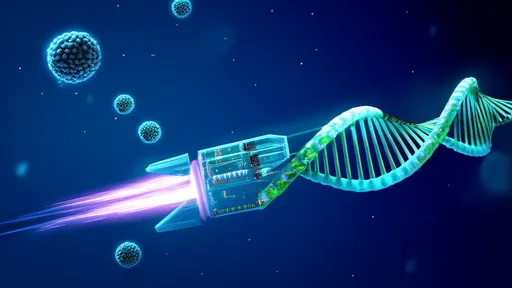
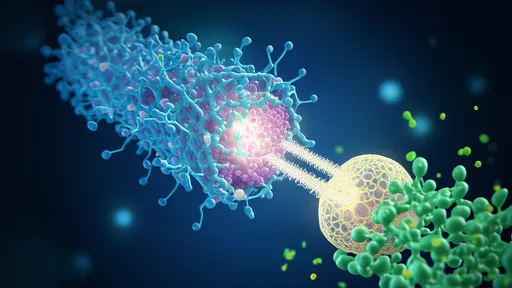
The CRISPR-Cas system, originally discovered as a bacterial immune defense, allows scientists to make precise cuts in DNA. When integrated into phages, CRISPR can be programmed to target and destroy specific genes within bacterial cells. These engineered phages, often referred to as CRISPR phage missiles, deliver a double punch: they infect the bacteria like a normal phage, then use CRISPR to disable critical bacterial genes, ensuring the pathogen cannot survive or develop resistance.
Recent studies have demonstrated the remarkable potential of this approach. In one experiment, researchers used CRISPR phage missiles to eradicate Escherichia coli infections in mice with a success rate exceeding 90%. Unlike conventional antibiotics, which require multiple doses and can disrupt gut microbiota, the phage missiles left beneficial bacteria unharmed. This level of precision could revolutionize treatments for infections caused by multidrug-resistant bacteria such as MRSA and Pseudomonas aeruginosa.
Another advantage of CRISPR phage technology is its adaptability. Since CRISPR can be reprogrammed to target different DNA sequences, the same phage can be modified to combat various bacterial strains. This flexibility is crucial in a world where pathogens constantly evolve. Researchers are already exploring ways to use this system against biofilms—slime-like bacterial communities that are notoriously difficult to treat with conventional drugs.
Despite its promise, the technology faces hurdles. Regulatory approval for phage-based therapies is still in its infancy, and public perception of genetically modified viruses remains cautious. Additionally, delivering CRISPR phages effectively in human patients presents logistical challenges. However, with ongoing advancements in synthetic biology and gene editing, these obstacles may soon be overcome.
The implications of CRISPR phage missiles extend beyond human medicine. Agriculture, livestock farming, and even wastewater treatment could benefit from this targeted approach to bacterial control. By reducing reliance on traditional antibiotics, we may also slow the alarming rise of antibiotic resistance globally.
As the research progresses, collaborations between microbiologists, geneticists, and clinicians will be essential. The road from lab experiments to widespread clinical use is long, but the potential rewards are immense. CRISPR phage missiles represent not just a new tool, but a paradigm shift in how we combat bacterial infections—ushering in an era of precision medicine where the right weapon is deployed against the right target, with minimal collateral damage.

By /Aug 14, 2025

By /Aug 14, 2025

By /Aug 14, 2025

By /Aug 14, 2025

By /Aug 14, 2025
By /Aug 14, 2025

By /Aug 14, 2025

By /Aug 14, 2025
By /Aug 14, 2025
By /Aug 14, 2025

By /Aug 14, 2025

By /Aug 14, 2025

By /Aug 14, 2025

By /Aug 14, 2025

By /Aug 14, 2025

By /Aug 14, 2025

By /Aug 14, 2025

By /Aug 14, 2025

By /Aug 14, 2025

By /Aug 14, 2025
